When Cost Stops You From Getting Help
You're drowning in thoughts that won't quiet down. Anxiety creeps in at 3 a.m. Depression makes it hard to care about anything. Or maybe you're working through something that shakes you—a breakup, a loss, a season where everything feels broken. And your first instinct? Reach out for help. But then you hit a wall: no insurance, limited income, or a plan that barely covers mental health. The guilt settles in. You start thinking therapy is for people with better circumstances than yours.
That thought isn't true. And it's costing you. Every week you don't talk to someone, the weight gets heavier. You start isolating more. The spiral deepens. You tell yourself you should be able to handle this alone—but you're not built to carry everything solo, and pretending you are only makes things worse.
I thought therapy was a luxury I couldn't afford. I didn't realize that not getting help was costing me way more—my sleep, my relationships, my peace of mind.
In Indiana, thousands of people are in your exact spot. Working full-time and still struggling to pay rent. Between jobs. Raising kids on one income. Dealing with medical bills. The system wasn't built for affordability, and that's not your failure—it's a real gap. But that gap doesn't have to be permanent.
Why Indiana Therapy Access Is Broken (And How to Fix It)
Traditional therapy often means a $150–$200 per session price tag, or worse. Insurance takes weeks to approve. You're stuck on waitlists. Many therapists don't take insurance at all because the reimbursement rates are so low. So people in Indiana make an impossible choice: skip therapy or go without groceries. Neither is acceptable, and you shouldn't have to pick.
Online therapy changes the equation. Licensed therapists can work with you from home, cutting overhead costs they pass back to you. Sessions run $60–$90 per week, and many platforms offer financial aid or discounted rates for people without insurance. You still get a real, licensed therapist—same credentials, same care, just a model that actually works for your wallet.
Therapy isn't a luxury—it's maintenance for your mental health, like a checkup at the doctor. When you can afford it, you sleep better, make clearer decisions, and handle stress without it consuming you. Even at a reduced cost, the ROI on your life is enormous.
What actually helps — and how to access it
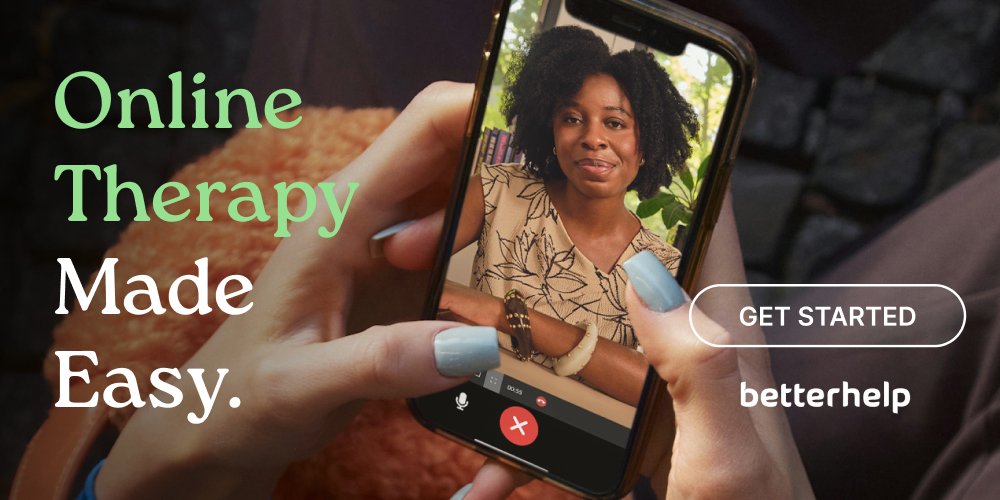
BetterHelp has over 30,000 licensed therapists available by text, phone, or video. No commute. No waiting list. A session from your home, your car, or your lunch break — whenever works for you.
Therapists who understand
Filter by specialty and find someone experienced with exactly what you're going through.
Text, call, or video
You choose how you communicate. Message between sessions too.
Completely confidential
HIPAA compliant. Private and secure, always.
Weekly pricing
Pay weekly, not monthly. Cancel anytime. Financial aid available.

You don't have to figure this out alone
Answer a few questions and BetterHelp will match you with a licensed therapist in under 48 hours.
Talk to Someone TodayYou're not the only one who felt this way
I was working two jobs in Indianapolis and felt like I was failing at both. My anxiety about money was so loud I couldn't focus, so I fell behind, and the spiral got worse. I kept thinking I didn't deserve therapy because I 'should' be able to handle this. A friend told me about online therapy without insurance. First month was cheaper, and my therapist got it—the real weight of living paycheck to paycheck. Within three months, I had a plan. Within six, I cut back to one job and actually started breathing again.
Questions people ask before starting
The first step is the hardest one
Five minutes to get matched. Licensed therapist. Confidential. 20% off your first month.
Talk to Someone TodayNo commitment · Cancel anytime · Confidential