When insurance isn't an option, the silence gets louder
You're not avoiding therapy because you don't need it. You're avoiding it because the logistics feel like another thing to fail at. No insurance means no simple referral. No coverage means you're paying out of pocket. And you're already stretching every dollar.
Maybe you're carrying anxiety or depression that's been gnawing at you for months. Maybe a relationship ended, or work became unbearable, or you just woke up one day feeling lost. Whatever brought you here, you know something needs to shift. But the barrier between you and help feels like a wall made of paperwork and price tags.
I kept telling myself I'd figure out therapy once I had better insurance. Three years later, I still didn't have it. But I needed to stop waiting.
Here's what's true: you don't need insurance to get real, effective help. North Carolina has therapists who work directly with uninsured clients at rates that don't require you to choose between groceries and healing. Online therapy removes another barrier—no sitting in waiting rooms, no scheduling around commutes, no putting a face to something you want to keep private. You get to therapy from your home, your car, your lunch break. On your terms.
Why going without insurance feels isolating—and why it doesn't have to
Insurance gatekeeping can feel like a rejection before you've even tried. You call clinics in Raleigh or Charlotte and hear "we don't take uninsured patients." You look up therapists and their websites don't mention self-pay options. The healthcare system seems designed to make you feel like you're doing something wrong by not having a corporate health plan.
What you're not hearing about are the hundreds of licensed therapists across North Carolina who choose to work with uninsured clients directly. They're online, accessible, and priced to be sustainable for both of you. They understand that mental health shouldn't be a luxury good. Therapy works best when you can actually afford to keep going, not when you're stressed about the bill on top of everything else.
Online therapy gives you access to licensed therapists in North Carolina without needing insurance approval or waiting lists. Studies show that therapy delivered online is just as effective as in-person—and for many people, it's easier to be vulnerable when you're in control of your environment. You can start within days, not months.
What actually helps — and how to access it
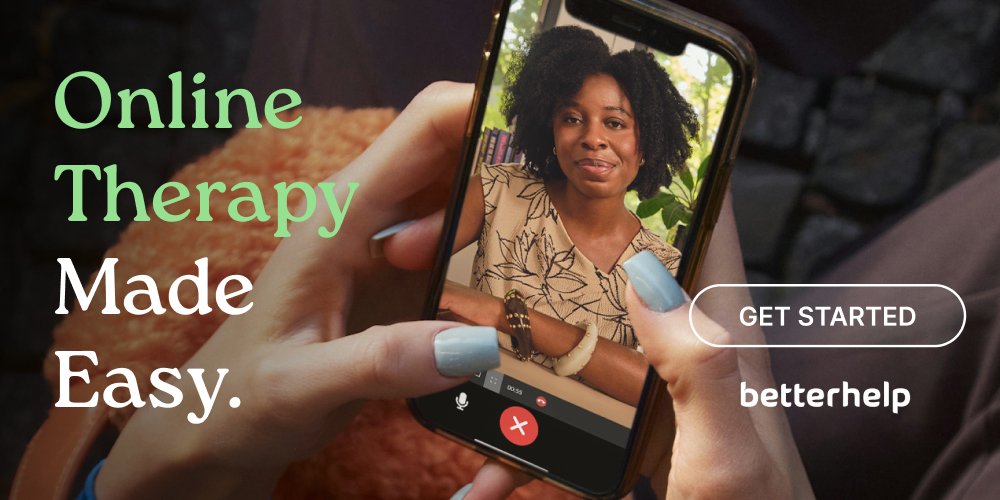
BetterHelp has over 30,000 licensed therapists available by text, phone, or video. No commute. No waiting list. A session from your home, your car, or your lunch break — whenever works for you.
Therapists who understand
Filter by specialty and find someone experienced with exactly what you're going through.
Text, call, or video
You choose how you communicate. Message between sessions too.
Completely confidential
HIPAA compliant. Private and secure, always.
Weekly pricing
Pay weekly, not monthly. Cancel anytime. Financial aid available.

You don't have to figure this out alone
Answer a few questions and BetterHelp will match you with a licensed therapist in under 48 hours.
Talk to Someone TodayYou're not the only one who felt this way
I was seeing my anxiety spiral—insomnia, chest tightness, the whole thing—but I'd been unemployed for six months and didn't have coverage. I felt like I had to wait until my life was 'better' to deserve therapy. Then I found an online therapist in North Carolina who charged $80 a week. Four months in, I'm sleeping again. The biggest shift wasn't the therapy itself; it was finally believing I was worth the investment. That changed everything.
Questions people ask before starting
The first step is the hardest one
Five minutes to get matched. Licensed therapist. Confidential. 20% off your first month.
Talk to Someone TodayNo commitment · Cancel anytime · Confidential