The doubt makes sense. You've been burned before.
You're tired. Maybe you've tried therapy once and it felt like sitting across from someone reading a script. Or you've scrolled through therapist directories and the prices made your stomach drop. Or you're in a place where the mental load is heavy—anxiety that creeps into work, depression that colors everything gray, relationships that feel like they're thinning—and you know you need help, but not at $200 a session you can't afford.
The real fear isn't just money. It's that if you can only afford "budget" therapy, you're settling for scraps. That a therapist working with lower fees somehow cares less, knows less, or will give you less of themselves. That you'll spend weeks opening up to someone only to realize it's going nowhere.
I thought cheap therapy meant I'd get a therapist who didn't really want to be there. Turns out, I just needed to find someone who actually listened—and that person existed at a price I could actually pay.
Here's what nobody tells you: the price of therapy and its effectiveness aren't the same thing. Some of the most dedicated therapists deliberately choose to work at lower rates because they believe mental health shouldn't be a luxury item. The fit between you and your therapist matters infinitely more than what they charge. And online therapy often costs less not because corners are cut, but because overhead is lower.
Why you've been skeptical (and why that's changing)
For decades, therapy was gatekept. You needed insurance that covered it, a therapist in your zip code, and the ability to take time off work. Those barriers meant therapy often went to people who could already afford it. The skepticism about "cheap" therapy usually comes from a place that makes complete sense: you've been told quality costs, and you're afraid of wasting what little money and emotional energy you have left.
But something real has shifted. Online therapy platforms have removed the physical overhead. Therapists can see more people at lower rates and still make a sustainable living. Research now shows that online therapy works about as well as in-person for most concerns—anxiety, depression, relationship issues, life transitions. And when you're not paying $250 an hour, you're more likely to actually go, to stick with it, to give it a real chance.
Therapy works when three things align: a trained professional, your willingness to show up, and consistent time to process. Price doesn't predict any of those. What does matter is finding someone trained in the right approach for your situation—and yes, that person can exist at an affordable rate.
What actually helps — and how to access it
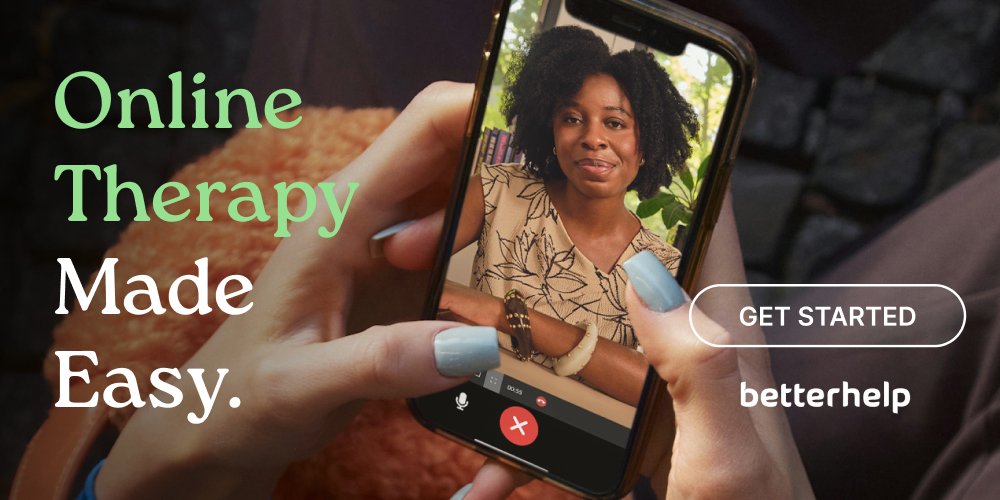
BetterHelp has over 30,000 licensed therapists available by text, phone, or video. No commute. No waiting list. A session from your home, your car, or your lunch break — whenever works for you.
Therapists who understand
Filter by specialty and find someone experienced with exactly what you're going through.
Text, call, or video
You choose how you communicate. Message between sessions too.
Completely confidential
HIPAA compliant. Private and secure, always.
Weekly pricing
Pay weekly, not monthly. Cancel anytime. Financial aid available.

You don't have to figure this out alone
Answer a few questions and BetterHelp will match you with a licensed therapist in under 48 hours.
Talk to Someone TodayYou're not the only one who felt this way
I spent two years telling myself I couldn't afford therapy. My anxiety was constant, and I'd convinced myself that 'real' help was expensive and far away. When I finally tried online therapy at a price I could actually manage, I was convinced it would be surface-level garbage. But my therapist got it. We built something real. Not because she was cheaper, but because she was skilled, and I was finally ready. Six months in, I realized I wasn't checking my phone obsessively. I was sleeping. I had words for what I'd been feeling all along.
Questions people ask before starting
The first step is the hardest one
Five minutes to get matched. Licensed therapist. Confidential. 20% off your first month.
Talk to Someone TodayNo commitment · Cancel anytime · Confidential