You're holding everything together. And it's exhausting.
Nobody taught you how to say "I'm overwhelmed." Your dad didn't say it. Your coaches didn't say it. So you learned early: feel it privately, function publicly. Anxiety lives in that gap—the space between what's cracking inside and the steady face you show the world. Your chest tightens before meetings. Your mind spirals at 3 a.m. Your jaw stays clenched through dinner. But you go to work. You show up. You handle it.
Except lately, handling it doesn't work anymore. The old strategies—staying busy, drinking it away, just not thinking about it—they're running on fumes. And you're left wondering if this is just how it is, or if there's something else you're missing. Something you're not supposed to admit you need.
I realized I wasn't weak for feeling this. I was just untrained. Nobody ever showed me how.
Here's what nobody tells you: talking about anxiety doesn't make you less of a man. It makes you more honest. More capable. The thing you were taught to see as weakness—reaching out, naming the fear—that's actually where strength starts. It's where you stop running and start healing.
Why this is harder for men. And why therapy actually works.
You grew up with a specific emotional blueprint. Keep it in. Stay productive. Problems are things you solve alone. But anxiety isn't that kind of problem. It doesn't respond to willpower or discipline or pushing harder. It responds to understanding. To naming it. To learning why your nervous system treats a work email like a predator. A therapist isn't there to tell you you're broken. They're there to help you decode what's actually happening—and give you real tools that work for men who think like you do.
The shift happens quietly. You start recognizing the pattern. You realize anxiety isn't a character flaw—it's information. Your body's way of telling you something matters, something's off, something needs attention. Once you know that, you can work with it instead of against it. Most men find that after a few weeks of talking to someone who gets it, the constant background hum of worry starts to lift. You sleep better. You think clearer. You're not exhausted from the effort of holding it all in.
Therapy for anxiety isn't about becoming someone different. It's about becoming more yourself—without the weight. Men who go through this find that six weeks of real conversation does more than years of suffering alone. You learn what your anxiety actually needs. Then you give it that. The results speak for themselves.
What actually helps — and how to access it
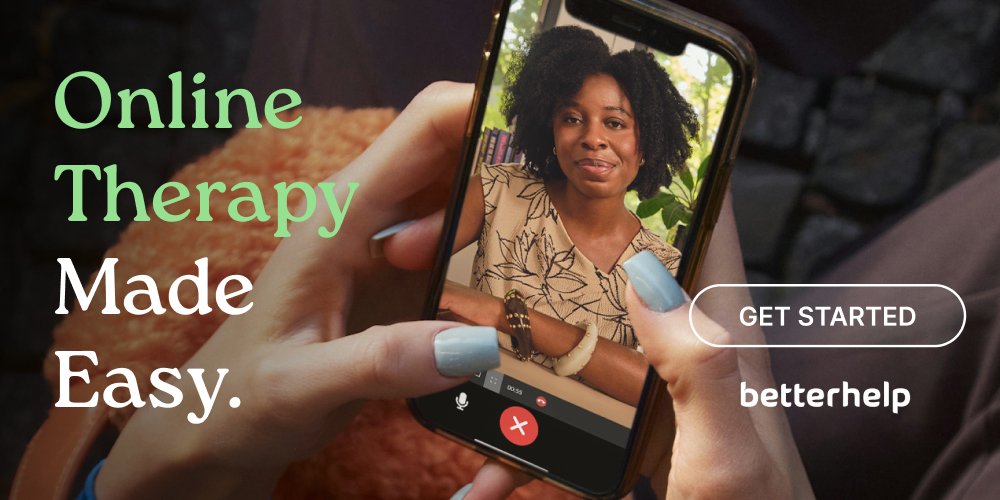
BetterHelp has over 30,000 licensed therapists available by text, phone, or video. No commute. No waiting list. A session from your home, your car, or your lunch break — whenever works for you.
Therapists who understand
Filter by specialty and find someone experienced with exactly what you're going through.
Text, call, or video
You choose how you communicate. Message between sessions too.
Completely confidential
HIPAA compliant. Private and secure, always.
Weekly pricing
Pay weekly, not monthly. Cancel anytime. Financial aid available.

You don't have to figure this out alone
Answer a few questions and BetterHelp will match you with a licensed therapist in under 48 hours.
Talk to Someone TodayYou're not the only one who felt this way
I'd spent fifteen years convincing myself I was fine. Then one day I couldn't breathe in a meeting and realized I wasn't fine—I was just terrified. A therapist helped me see that all that anxiety had somewhere to go. I wasn't broken. I'd just never been given permission to feel. Now I sleep through the night. I can sit in meetings without my heart pounding. My wife says I'm softer. I'm actually here. That matters more than I expected.
Questions people ask before starting
The first step is the hardest one
Five minutes to get matched. Licensed therapist. Confidential. 20% off your first month.
Talk to Someone TodayNo commitment · Cancel anytime · Confidential