The Specific Weight of Being Far From Home
When you move abroad, people celebrate the adventure. What they don't see is the quiet moment at 11 p.m. when you realize there's no one nearby who truly knows you—not your history, not your family dynamics, not the inside jokes that used to make you laugh. You're rebuilding your entire social world while simultaneously managing a new job, a new language sometimes, unfamiliar systems, and an endless stream of decisions that used to be automatic. Your brain is working overtime just to exist.
And then there's the identity piece. Are you still yourself when everything around you is different? Do your old values still fit? The people back home don't quite get why you can't just video call more often. They don't understand that loneliness in a crowded expat bar feels differently isolating than loneliness at home. You're grieving and adapting and pushing forward all at the same time, and nobody warns you how exhausting that actually is.
I thought the stress would ease after the first year. Instead, I realized I'd been running on empty the whole time, pretending to be fine because admitting I wasn't felt like admitting I'd made a mistake leaving.
The physical signs creep in slowly. Sleep that never feels restorative. Your shoulders permanently tensed. You snap at small things or withdraw completely. Some days you question everything—the move, the job, your ability to handle this. That's not weakness. That's your nervous system telling you it's been on high alert for months, maybe longer.
Why This Stress Sticks Around—And How Therapy Actually Helps
Expat stress is different because it's layered. You're not just managing one change; you're managing cultural adjustment, social rebuilding, professional pressure, and the internal conflict of missing home while loving where you are. Traditional stress management advice—"go for a walk," "call a friend"—doesn't touch the real issue: you need to process who you're becoming in this new place and rebuild your sense of belonging from the ground up. That takes more than willpower.
Therapy gives you a space to untangle these threads with someone who gets it. A good therapist helps you understand what's driving the chronic stress, reconnect with your sense of identity, and build real coping tools that work in your actual life—not theoretical life. They validate that this transition is genuinely hard, while helping you see you're more resilient than you feel right now. You'll start sleeping better. The constant background anxiety quiets down. You stop questioning whether you belong here.
Research shows that expats who work with a therapist experience significant drops in stress and anxiety within 8-12 weeks. Therapy also helps you reframe the expat experience from something you're enduring into something you're actively building—a life that honors both who you were and who you're becoming.
What actually helps — and how to access it
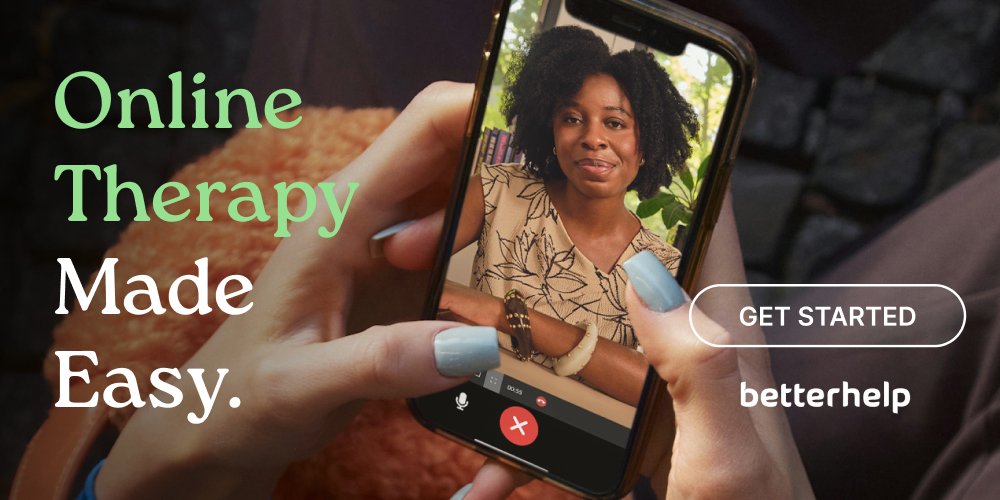
BetterHelp has over 30,000 licensed therapists available by text, phone, or video. No commute. No waiting list. A session from your home, your car, or your lunch break — whenever works for you.
Therapists who understand
Filter by specialty and find someone experienced with exactly what you're going through.
Text, call, or video
You choose how you communicate. Message between sessions too.
Completely confidential
HIPAA compliant. Private and secure, always.
Weekly pricing
Pay weekly, not monthly. Cancel anytime. Financial aid available.

You don't have to figure this out alone
Answer a few questions and BetterHelp will match you with a licensed therapist in under 48 hours.
Talk to Someone TodayYou're not the only one who felt this way
I moved to Singapore for a promotion I'd always wanted. Six months in, I was having panic attacks in the bathroom at work. I felt like a failure for struggling when I should've been thriving. My therapist helped me see that I wasn't failing—I was grieving while also building something new. We worked through the isolation, the identity confusion, the guilt about leaving. Now I genuinely love it here. Not because the stress disappeared, but because I know how to carry it and I'm not doing it alone anymore.
Questions people ask before starting
The first step is the hardest one
Five minutes to get matched. Licensed therapist. Confidential. 20% off your first month.
Talk to Someone TodayNo commitment · Cancel anytime · Confidential