The Weight Nobody Talks About
You're supposed to be in your prime. You have options, freedom, time. Yet somehow you're grinding harder than ever—managing career expectations, financial pressure, relationship uncertainty, social comparison, family disappointment. And you're doing it mostly alone, because admitting you're struggling feels like failure. Everyone else seems to have it together. You don't.
The stress isn't just in your head. It lives in your shoulders, your sleep schedule, your ability to enjoy things you once loved. You snap at people you care about. You feel numb, then suddenly overwhelmed. Some days you wake up already behind. This isn't motivation anymore. This is your body telling you something has to change.
I realized I wasn't stressed because I was weak. I was stressed because I was carrying impossible expectations—most of them mine.
The quarter-life crisis is real, and it's not about being ungrateful for your opportunities. It's about the gap between what you thought this phase would feel like and what it actually feels like. You're comparing your internal experience to everyone else's highlight reel. You're measuring yourself against timelines that don't fit your life. And you're doing it while managing genuine, legitimate pressure—jobs that demand too much, futures that feel uncertain, relationships that require constant emotional labor.
Why This Stress Sticks—And How Therapy Actually Helps
Chronic stress in your 20s and 30s isn't something you can just push through or meditate away for 10 minutes. It's baked into how you think, how you react, and what you believe about yourself. You've learned that rest is laziness, that struggling alone is strength, that needing help means you're falling behind. Therapy doesn't fix your life circumstances. But it rewires how you relate to them. It gives you permission to set boundaries. It separates your worth from your productivity.
The young adults who find relief aren't the ones who suddenly have everything figured out. They're the ones who stopped expecting to. They learned to name what's actually their responsibility and what's projection. They discovered that asking for help isn't weakness—it's intelligence. A good therapist becomes the person who helps you see yourself clearly again, without judgment, when you've lost that ability.
Therapy for stress in your 20s and 30s works because it addresses the root—not just the symptoms. You'll learn why you internalize pressure so deeply, how to recognize burnout before it breaks you, and how to build a life that feels sustainable instead of suffocating. Most people notice shifts in 4-6 weeks.
What actually helps — and how to access it
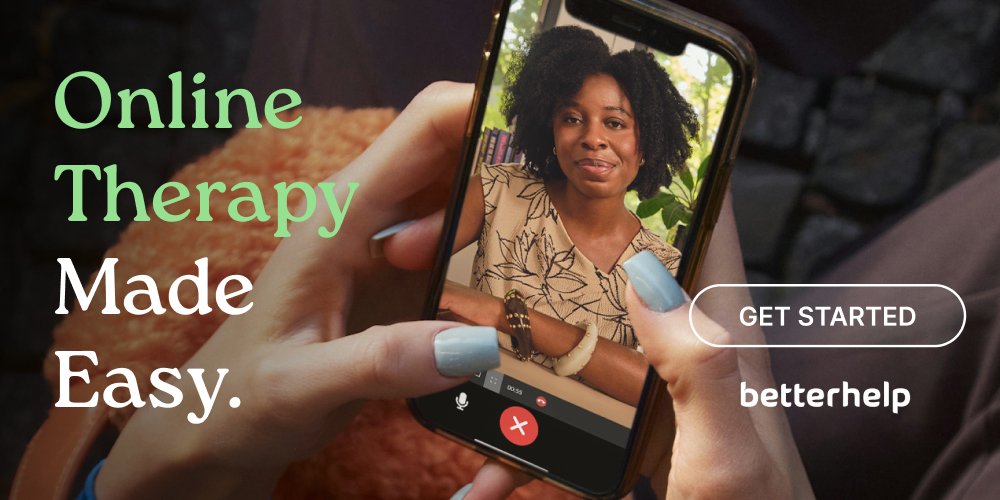
BetterHelp has over 30,000 licensed therapists available by text, phone, or video. No commute. No waiting list. A session from your home, your car, or your lunch break — whenever works for you.
Therapists who understand
Filter by specialty and find someone experienced with exactly what you're going through.
Text, call, or video
You choose how you communicate. Message between sessions too.
Completely confidential
HIPAA compliant. Private and secure, always.
Weekly pricing
Pay weekly, not monthly. Cancel anytime. Financial aid available.

You don't have to figure this out alone
Answer a few questions and BetterHelp will match you with a licensed therapist in under 48 hours.
Talk to Someone TodayYou're not the only one who felt this way
I started therapy thinking I needed to fix myself before I could rest. My therapist asked what I was resting for. That one question changed everything. I realized I'd built an identity around being busy, productive, always climbing. When I hit 28 and couldn't climb anymore, I felt like I was failing. In therapy, I learned that rest isn't a reward for good behavior. It's a requirement. Now I work hard, but I don't work from a place of panic. I sleep better. I'm actually present with people I love. I still feel stress—but it doesn't own me.
Questions people ask before starting
The first step is the hardest one
Five minutes to get matched. Licensed therapist. Confidential. 20% off your first month.
Talk to Someone TodayNo commitment · Cancel anytime · Confidential