The loneliness no one talks about
Nursing isolates you in a way most people don't understand. You're surrounded by colleagues, patients, families—yet you're often the only one carrying what you've just witnessed. A patient codes. A family makes an impossible choice. A shift ends and you drive home in silence, replaying moments you can't unhear or unsee. Your friends ask how work was. "Fine," you say. Because how do you explain the weight?
The isolation deepens because admitting you're struggling feels like admitting you can't handle the job. So you keep quiet. You pick up extra shifts to avoid sitting with your thoughts. You scroll your phone at 2 a.m. instead of sleeping. You tell yourself everyone feels this way. But inside, you're wondering if something's actually broken in you—if you're less resilient than the nurses around you who seem to manage fine.
I'd been holding it together so long that when someone finally asked if I was okay, I almost didn't know how to answer. The real answer scared me.
The truth is, you're not alone in this feeling—but the system makes it feel that way. Nursing doesn't leave much room for vulnerability. There's no time to process. No peer support that feels real. No space to admit that saving lives day after day, while managing your own emotional survival, is unsustainable. You're burning out not because you're weak, but because you care deeply and have nowhere safe to pour out what you're carrying.
Why this loneliness hits differently—and why therapy actually works
Nurse burnout isn't about being tired. It's about the specific kind of isolation that comes from witnessing trauma, making life-and-death decisions, and then going home to people who can't fully understand. You develop a certain distance from feelings as a survival mechanism—it keeps you functional on shift. But that same mechanism can leave you feeling hollow and disconnected from the people who love you. You're present, but not really there. Therapy for nurses works because it creates a space where that protective wall doesn't have to exist. A therapist trained in your world gets it. Not the details—confidentiality matters—but the weight of it.
Working through this with a skilled therapist means you don't have to choose between being strong and being human. You can process what you've seen without judgment. You can talk about the guilt, the second-guessing, the moments you replayed a thousand times. You can name the isolation without being told to "just take a mental health day." And slowly, you rebuild the ability to connect—to yourself first, then to others. That's not weakness. That's the most professional thing a nurse can do.
Therapy specifically helps nurses process compassion fatigue, rebuild emotional resilience without numbing, and create healthy boundaries between work and home. Online therapy means you don't have to drive somewhere after a 12-hour shift or take time off work. You can show up from home, on your schedule, to someone who specializes in exactly what you're living through.
What actually helps — and how to access it
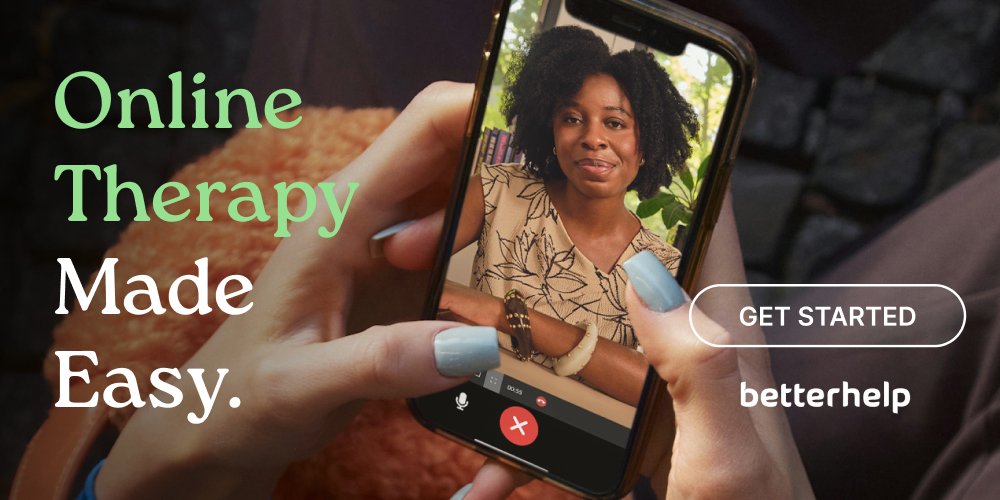
BetterHelp has over 30,000 licensed therapists available by text, phone, or video. No commute. No waiting list. A session from your home, your car, or your lunch break — whenever works for you.
Therapists who understand
Filter by specialty and find someone experienced with exactly what you're going through.
Text, call, or video
You choose how you communicate. Message between sessions too.
Completely confidential
HIPAA compliant. Private and secure, always.
Weekly pricing
Pay weekly, not monthly. Cancel anytime. Financial aid available.

You don't have to figure this out alone
Answer a few questions and BetterHelp will match you with a licensed therapist in under 48 hours.
Talk to Someone TodayYou're not the only one who felt this way
I'd been a trauma nurse for nine years before I realized I wasn't actually living anymore—just surviving. I wouldn't call my sister back. I'd snap at my partner over nothing. I started drinking to sleep. When I found my therapist through BetterHelp, I was skeptical. But talking to someone who understood the specific loneliness of nursing, without judgment, changed everything. Within two months, I could sit at dinner without feeling a million miles away. Within four, I wasn't white-knuckling through my days. I'm still a nurse. I still care deeply. But now I'm not drowning in it alone.
Questions people ask before starting
The first step is the hardest one
Five minutes to get matched. Licensed therapist. Confidential. 20% off your first month.
Talk to Someone TodayNo commitment · Cancel anytime · Confidential