The Pressure to Have It Together Is Exhausting
You're supposed to have figured it out by now. Career moving, relationships solid, life direction clear. But instead you're stuck in this loop where nothing feels good enough—not your job, not your body, not your choices, not you. You watch peers get promotions and feel that familiar knot in your stomach. You see someone's Instagram and immediately think about everything you're doing wrong. The voice in your head has become merciless, and it never seems to turn off.
What makes it worse is that you can't even complain. On the surface, maybe things are okay. Maybe you have a job, a place to live, friends who care. So why do you feel so small? Why is self-doubt eating you alive? That gap between how things look and how they actually feel—that's the real weight you're carrying alone.
I knew logically that I wasn't failing, but I couldn't feel it. Every win felt temporary. Every setback felt permanent. Like I was just pretending to be a functioning adult.
Low self-esteem in your twenties and thirties isn't vanity or neediness. It's a real struggle with how you see yourself, what you believe you deserve, and whether you're capable of getting it. The quarter-life pressure is real. You're expected to know who you are while the world is constantly changing the rules. That's not weakness. That's impossible.
Why This Hits So Hard (And Why Therapy Actually Works)
Low self-worth doesn't just live in your head—it shapes how you make decisions, who you let close, and what you even try for. You might play small at work, avoid relationships, or sabotage good things before they can hurt you. You've probably tried talking yourself out of it. You've made lists of your accomplishments and felt nothing. The problem is that self-esteem isn't fixed by logic alone. It's built through real, honest conversations about where your doubts came from and who you actually are underneath all the doubt.
Therapy gives you a space where you're not performing or explaining yourself. A therapist can help you untangle the messages you absorbed—about who you should be, what's wrong with you, what you need to earn to matter. They can help you notice the patterns that keep you small and practice believing something different about yourself. Not through toxic positivity, but through real understanding and gentle, consistent work.
Therapy for low self-esteem works best when you have someone trained to help you rebuild your relationship with yourself. It's not about getting a confidence boost—it's about addressing the core beliefs that keep you stuck and learning to trust yourself again.
What actually helps — and how to access it
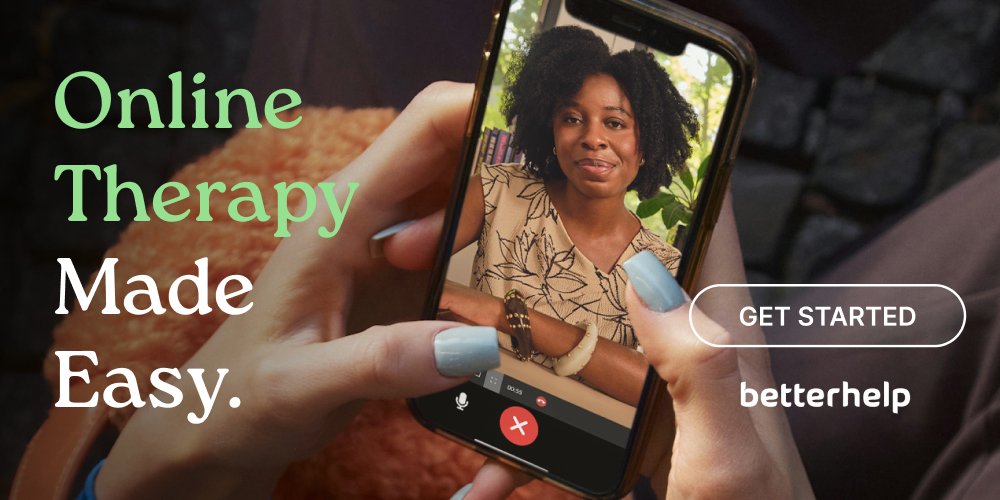
BetterHelp has over 30,000 licensed therapists available by text, phone, or video. No commute. No waiting list. A session from your home, your car, or your lunch break — whenever works for you.
Therapists who understand
Filter by specialty and find someone experienced with exactly what you're going through.
Text, call, or video
You choose how you communicate. Message between sessions too.
Completely confidential
HIPAA compliant. Private and secure, always.
Weekly pricing
Pay weekly, not monthly. Cancel anytime. Financial aid available.

You don't have to figure this out alone
Answer a few questions and BetterHelp will match you with a licensed therapist in under 48 hours.
Talk to Someone TodayYou're not the only one who felt this way
I spent two years feeling like a fraud. Everyone thought I had it together, but I was drowning in self-doubt. My therapist never told me to 'just be confident.' Instead, she asked questions that made me see patterns I'd never noticed—how I sabotaged myself, how I talked to myself like an enemy. Over six months, something shifted. I didn't suddenly feel amazing, but I stopped being my own worst critic. Now I can sit with uncertainty without it feeling like proof that I'm broken.
Questions people ask before starting
The first step is the hardest one
Five minutes to get matched. Licensed therapist. Confidential. 20% off your first month.
Talk to Someone TodayNo commitment · Cancel anytime · Confidential