The weight of distance and belonging
You moved to Atlanta for opportunity—a job, education, safety, a chance. And you're making it work. But at night, or on a Sunday, or when you hear Spanish in a certain way, something tightens in your chest. Your family is asking when you're coming home. Your kids are forgetting Aymara. You're sending money back while barely covering rent. You're successful by one measure and guilty by another. The people around you don't quite understand why a promotion feels hollow when your mother hasn't seen your face in person for two years.
What makes this harder is that you can't just pick one identity. You can't go back and pretend Atlanta never happened. You can't stay here and pretend Bolivia doesn't live inside you. So you live in the middle, translating not just languages but entire versions of yourself. At work, you're one person. At home—the place you built or the place you're calling—you're another. And somewhere underneath, you're wondering who you actually are.
I felt like I was betraying my family by making a life here, and betraying myself by not being grateful for what I had. A therapist helped me see those weren't the only two choices.
The Atlanta Bolivian community is tight, which is beautiful and suffocating at once. Everyone knows your business. Everyone has opinions about whether you should stay or return, whether you're adapting too fast or holding on too hard. And yet in all that connection, many people feel profoundly alone—because the specific pain of straddling two homes, two identities, two futures isn't always something you can talk about without judgment or misunderstanding.
Why this struggle is real—and why therapy actually helps
Immigration isn't just a logistical move. It's a grief process. You've left people, places, rhythms, and ways of being that shaped who you are. At the same time, you're trying to build something new, claim space in a country that doesn't always feel like it was built for you, and manage the practical weight of survival in a new system. Your nervous system is working overtime. You might feel stuck between gratitude and rage, between adaptation and resistance. That's not weakness. That's a normal response to an inherently complex situation.
A therapist who understands immigration, cultural identity, and diaspora can help you untangle these threads. Not to choose one side over the other, but to integrate them—to build a sense of self that honors both your Bolivian identity and the life you're creating in Atlanta. They can help you set boundaries with family guilt. They can help you grieve the version of home you can't go back to. They can help you make peace with your choices and feel less fragmented. Therapy won't erase the distance, but it can change your relationship to it.
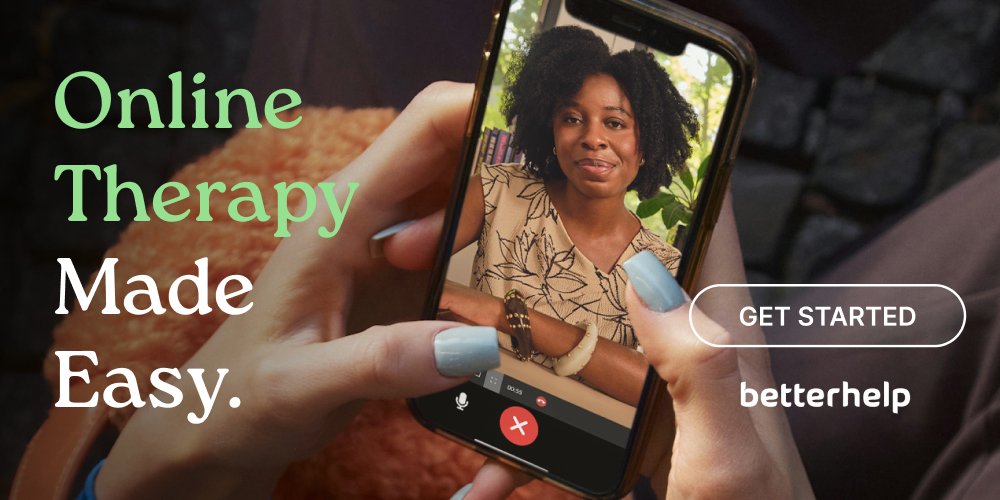
Therapy for immigrants and diaspora communities works best when your therapist gets the specific pressures you face—family separation, cultural translation, identity questions, financial stress. BetterHelp connects you with therapists trained in these experiences, often at a fraction of traditional costs, and fully online so you can talk from home, on your schedule, in whatever language feels right.
What actually helps — and how to access it
BetterHelp has over 30,000 licensed therapists available by text, phone, or video. No commute. No waiting list. A session from your home, your car, or your lunch break — whenever works for you.
Therapists who understand
Filter by specialty and find someone experienced with exactly what you're going through.
Text, call, or video
You choose how you communicate. Message between sessions too.
Completely confidential
HIPAA compliant. Private and secure, always.
Weekly pricing
Pay weekly, not monthly. Cancel anytime. Financial aid available.

You don't have to figure this out alone
Answer a few questions and BetterHelp will match you with a licensed therapist in under 48 hours.
Talk to Someone TodayYou're not the only one who felt this way
I came to Atlanta five years ago with a work visa and a plan to save money and go home. I'm still here. My therapist helped me stop seeing that as failure. We talked about why returning to La Paz felt impossible—not because I don't love it, but because I've changed. I've grieved what I thought my life would look like. Now I'm building something real here while staying connected to my family in a way that doesn't destroy me. I still miss home. But I'm not drowning in guilt anymore.
Questions people ask before starting
The first step is the hardest one
Five minutes to get matched. Licensed therapist. Confidential. 20% off your first month.
Talk to Someone TodayNo commitment · Cancel anytime · Confidential