The weight you carry isn't talked about enough
You left Honduras for safety, for a chance. That decision cost you everything familiar—your home, your family, your language being the default, the comfort of knowing how things work. You didn't just change addresses. You rewired your entire existence. And now, in Dallas, you're building from zero while holding the grief of what you left and the pressure of proving it was worth it.
The nights are sometimes the hardest. You lie awake thinking about your mother's voice, the neighborhood you knew, the person you were before. Then morning comes and you push it down because you have to work, you have to provide, you have to prove this risk was right. That's not resilience—that's survival mode. And survival mode was necessary. But it's not sustainable.
I thought I had to be strong alone. I didn't know talking to someone would make me feel less crazy and more like myself.
Dallas has a thriving Honduran community—thousands of people who speak your language, understand your journey, know what it means to build again. But proximity to community doesn't erase the solitude of processing loss, displacement, the specific shame and fear that comes with starting over. Therapy meets you in that gap. It's not about forgetting where you come from or minimizing what was hard. It's about integrating all of it—the past and the present—so you can stop fragmenting yourself.
Why this particular struggle doesn't just go away
Leaving your country isn't a single event you process once. It's a living thing—it surfaces when you hear a song, when someone asks where you're from, when you send money home and realize you can't go back to spend it with them. You're managing grief, cultural displacement, financial pressure, the weight of being a provider for people you can't see, and the constant navigation of being somewhere you weren't born. Your brain and nervous system are working overtime. That's not failure. That's what happens when you carry more than most people ever will.
Here's what therapy actually does: it gives you a space where you don't have to perform strength. A therapist trained in working with immigrants and trauma knows that what you're feeling—the isolation, the guilt about building a life here while loved ones struggle there, the grief disguised as ambition—is exactly what needs to be felt and processed, not just endured. You get tools to regulate your nervous system. You build a framework for the grief without being consumed by it. You start separating what's yours to carry from what belongs to circumstance and history.
Therapy for immigrants isn't about 'fixing' you—you're not broken. It's about creating space for the emotional weight you've been carrying alone. Many Honduran immigrants in Dallas find that even a few sessions shift everything, giving them permission to acknowledge loss while building forward. That's not weakness. That's integration.
What actually helps — and how to access it
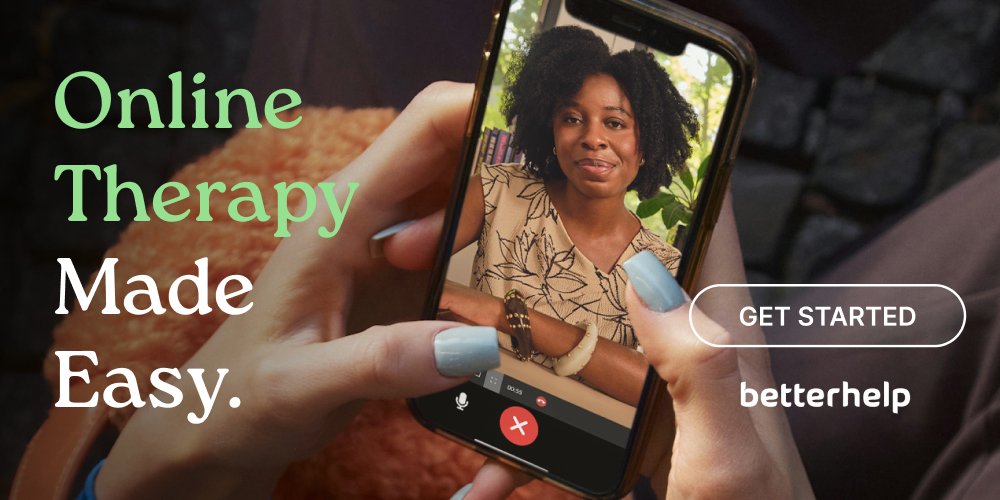
BetterHelp has over 30,000 licensed therapists available by text, phone, or video. No commute. No waiting list. A session from your home, your car, or your lunch break — whenever works for you.
Therapists who understand
Filter by specialty and find someone experienced with exactly what you're going through.
Text, call, or video
You choose how you communicate. Message between sessions too.
Completely confidential
HIPAA compliant. Private and secure, always.
Weekly pricing
Pay weekly, not monthly. Cancel anytime. Financial aid available.

You don't have to figure this out alone
Answer a few questions and BetterHelp will match you with a licensed therapist in under 48 hours.
Talk to Someone TodayYou're not the only one who felt this way
When I came to Dallas five years ago, I told myself I wouldn't think about what I left. I worked two jobs, sent money home, didn't let myself feel anything. My sister finally said I seemed like a ghost. I started therapy scared I'd fall apart. Instead, I started sleeping better. My therapist is bilingual, understands Honduras, understands immigration. I'm still working hard, still sending money home—but now I'm not drowning while doing it. I can miss my family and also be here. Both things are true.
Questions people ask before starting
The first step is the hardest one
Five minutes to get matched. Licensed therapist. Confidential. 20% off your first month.
Talk to Someone TodayNo commitment · Cancel anytime · Confidential