The quiet pressure of living between two homes
There's something about being Portuguese American that doesn't fit neatly into either box. You remember your mother's kitchen, the smell of bacalhau, Sunday gatherings where three languages mixed in one conversation. But you also remember the day you stopped thinking in Portuguese, or the guilt when you couldn't explain American life to your avó in a way she'd understand. Both places feel like home. Neither one feels complete.
Then there's the practical weight. Maybe you're the bridge—translating documents, managing medical appointments for aging parents, sending money back while building your own life here. Maybe you're the first in your family to go to college, and success feels like you're leaving them behind. Or you're raising kids who barely speak the language, and you wonder if you're failing them, failing your culture, failing yourself.
I felt like I was disappointing everyone—my parents wanted me rooted in Portugal, my American friends didn't get why I couldn't just let go, and I couldn't figure out who I was supposed to be.
Therapy isn't about choosing one world over the other. It's about making peace with the fact that you belong to both, and that's not a problem to solve—it's your story to integrate. A therapist who understands this specific experience can help you process the grief of distance, the guilt that shouldn't be there, and the strength it actually takes to hold this identity. You don't have to carry it alone.
Why this struggle is real—and why talking about it matters
Portuguese culture values family loyalty, hard work, and resilience. Those are beautiful things. But sometimes they become a burden when you're managing expectations from multiple continents, when asking for help feels like weakness, or when your own mental health gets pushed to the bottom of the list behind everyone else's needs. Therapy creates a space where your needs matter. Where you don't have to be strong for anyone but yourself.
The loneliness is real too. Your Portuguese friends might not understand why you're struggling—you have a good job, you made it, right? Your American friends can't quite grasp the weight of family obligation or the homesickness that hits randomly. So you keep quiet. But talking with a therapist who gets this world, who understands generational immigration and cultural identity, changes everything. You're finally truly heard.
Therapy helps you process cultural identity without erasing it, manage family dynamics across distance, work through guilt and obligation, and build a life that honors both worlds. Research shows that culturally informed therapy reduces anxiety and depression in immigrant communities by helping people integrate their experiences rather than compartmentalize them.
What actually helps — and how to access it
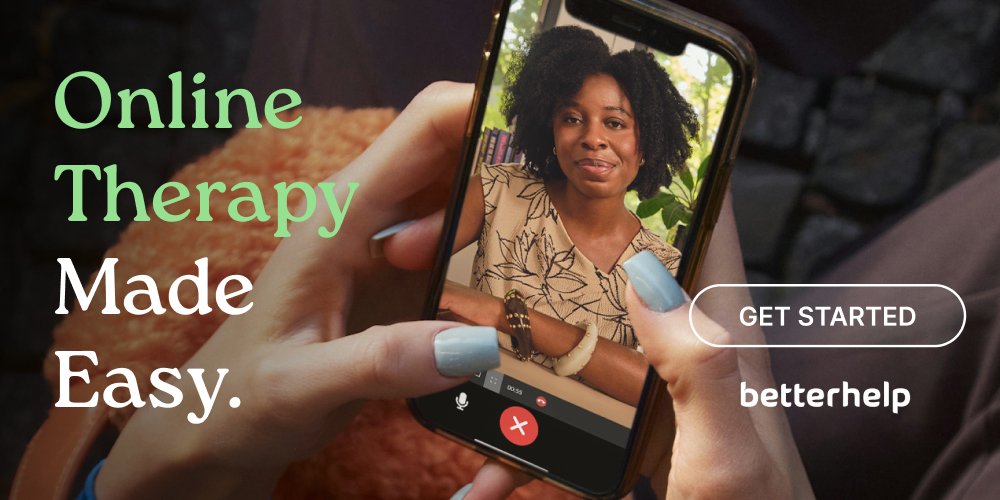
BetterHelp has over 30,000 licensed therapists available by text, phone, or video. No commute. No waiting list. A session from your home, your car, or your lunch break — whenever works for you.
Therapists who understand
Filter by specialty and find someone experienced with exactly what you're going through.
Text, call, or video
You choose how you communicate. Message between sessions too.
Completely confidential
HIPAA compliant. Private and secure, always.
Weekly pricing
Pay weekly, not monthly. Cancel anytime. Financial aid available.

You don't have to figure this out alone
Answer a few questions and BetterHelp will match you with a licensed therapist in under 48 hours.
Talk to Someone TodayYou're not the only one who felt this way
For years, I called home every Sunday, sent half my paycheck back, and told myself I was fine. But I was exhausted—from translating more than just language, from feeling like I'd disappointed my parents by staying here, from raising my daughter in a culture I was slowly losing myself. Therapy was hard at first. Admitting I wasn't okay felt selfish. But my therapist helped me see that honoring my heritage didn't mean sacrificing my peace. I still call every Sunday. But now I also call when I need support, not just to report accomplishments. I'm teaching my daughter Portuguese differently—not as an obligation, but as a gift.
Questions people ask before starting
The first step is the hardest one
Five minutes to get matched. Licensed therapist. Confidential. 20% off your first month.
Talk to Someone TodayNo commitment · Cancel anytime · Confidential