The invisible weight of straddling two countries
You moved to America for a better life. Your family expected you to thrive here. And maybe you have—the job, the apartment, the routines that keep you moving forward. But at night, or on a random Tuesday, you feel the distance like a physical thing. You miss the language as it's spoken in the streets, not the formal English you use at work. You miss knowing everyone's story. You miss being known without having to explain yourself.
The tight-knit Serbian community here is a lifeline. These are your people. They understand without words. But sometimes that closeness becomes complicated too—everyone watches, everyone judges, everyone has opinions about how you should live. Asking for help, admitting you're struggling, feels like letting the whole community down. In Serbian culture, you endure. You don't talk about feelings with a stranger. So you carry it alone, even in a room full of people who speak your language.
I kept telling myself I should be grateful. I'm here, I'm safe, I have opportunity. But I felt like I was disappearing into this American life, and nobody in my community wanted to hear that I was sad.
The grief is real even though you chose this. You might feel guilt for leaving family behind, or shame for not being Americanized enough, or resentment that you have to work twice as hard to prove yourself. Maybe you're raising kids who don't speak Serbian the way you do, or you're the one everyone relies on to translate, to bridge the gap. That role exhausts you. The pressure to be a bridge, a success story, a representative of your culture—it's a load nobody talks about carrying.
Why this specific pain needs specific help
Talking to friends or family about real struggles often feels impossible. The community's strength is also its pressure. You worry that admitting depression, anxiety, or identity confusion will be weaponized—used as proof you should have stayed home, or proof you're not Serbian enough anymore, or proof you're ungrateful. So instead, you handle it alone. You drink more than you mean to. You work longer hours. You scroll late at night. You feel the disconnection growing, even as you sit at a table with people speaking your language.
Therapy changes this equation. A therapist—especially one who understands immigration, cultural identity, and the Serbian experience—meets you without judgment. They speak your language of loss and adaptation. In that space, you don't have to be a success story or a bridge or a representative. You can be confused. You can miss home and love America at the same time. You can grieve what you left behind while building what's in front of you. That's not betrayal. That's being human.
Therapy for Serbian immigrants isn't about choosing one country over another or abandoning your roots. It's about processing the real grief of displacement, untangling cultural expectations from your own needs, and building a life that honors both who you were and who you're becoming. Studies show that culturally informed therapy helps immigrants reduce anxiety and depression by 60% in the first three months.
What actually helps — and how to access it
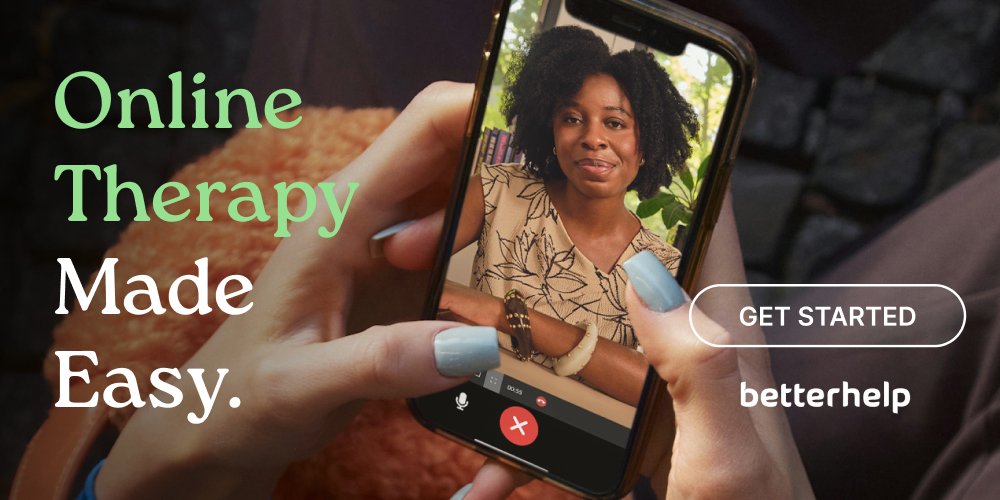
BetterHelp has over 30,000 licensed therapists available by text, phone, or video. No commute. No waiting list. A session from your home, your car, or your lunch break — whenever works for you.
Therapists who understand
Filter by specialty and find someone experienced with exactly what you're going through.
Text, call, or video
You choose how you communicate. Message between sessions too.
Completely confidential
HIPAA compliant. Private and secure, always.
Weekly pricing
Pay weekly, not monthly. Cancel anytime. Financial aid available.

You don't have to figure this out alone
Answer a few questions and BetterHelp will match you with a licensed therapist in under 48 hours.
Talk to Someone TodayYou're not the only one who felt this way
When I came to Chicago, I told myself I was fine. My parents sacrificed everything. My community celebrated my move. But after two years, I realized I was numb—going through motions, speaking to my therapist about the weight of everyone's expectations. She helped me see that homesickness wasn't weakness. That missing my grandmother's voice and building a good life here weren't contradictory. Now I call home more honestly. I'm happier. And I'm not apologizing for taking up space in both worlds.
Questions people ask before starting
The first step is the hardest one
Five minutes to get matched. Licensed therapist. Confidential. 20% off your first month.
Talk to Someone TodayNo commitment · Cancel anytime · Confidential