You're Not Just Missing a Place
Homesickness for immigrants is different. It's not nostalgia or wanderlust. It's the weight of distance from people you see every day in your mind—your mother's voice at the kitchen table, the specific light through your bedroom window, the smell of the street you grew up on. Your body remembers home in ways your brain can't explain. You wake up reaching for something that's an ocean away.
The loneliness is compounded because nobody around you fully understands. They see you building a new life, and they expect you to be grateful, excited, moving forward. But you can be all of those things and still feel like something inside you is breaking. You can be homesick and happy. Both are true. Both hurt.
I'd be at work smiling, and suddenly I'd remember my grandmother's laugh, and I couldn't breathe. Nobody here knew what I'd left behind.
The physical symptoms are real—the tightness in your throat, the fatigue that sleep doesn't touch, the way food tastes different, how you withdraw even from people trying to help. Your nervous system is grieving. It's trying to hold onto home while your life is happening somewhere else. That's an exhausting double life to live alone.
Why This Longing Won't Just Fade, and Why That's Okay
Homesickness isn't a problem to solve quickly. It's a real adjustment, and the depth of what you're feeling is actually a reflection of what you loved—the people, the rhythms, the belonging. Your grief makes sense. But carrying it without help means you're processing it in isolation, which can make the ache deepen into something heavier over time. When you don't have a space to name what you're missing, it starts to color everything—your relationships here, your work, your ability to feel at home anywhere.
Therapy for immigrant homesickness isn't about forgetting home or forcing yourself to love your new place. It's about holding both—honoring what you've left while actually landing where you are. A therapist who understands immigration, cultural identity, and grief can help you process the real loss without judgment, find ways to stay connected to home that don't keep you stuck, and build roots here that don't feel like betrayal. You don't have to choose between your past and your future.
Therapy helps you name the grief that everyone expects you to hide. It gives you tools to process missing home—to stay meaningfully connected without being pulled backward. Many people find that talking through the specific losses actually frees them to build a real life in their new home, instead of living half in, half out.
What actually helps — and how to access it
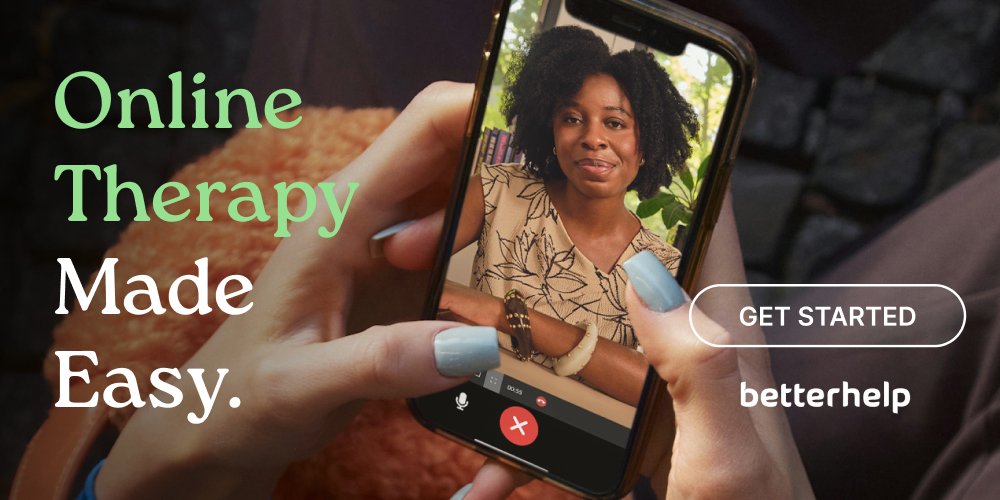
BetterHelp has over 30,000 licensed therapists available by text, phone, or video. No commute. No waiting list. A session from your home, your car, or your lunch break — whenever works for you.
Therapists who understand
Filter by specialty and find someone experienced with exactly what you're going through.
Text, call, or video
You choose how you communicate. Message between sessions too.
Completely confidential
HIPAA compliant. Private and secure, always.
Weekly pricing
Pay weekly, not monthly. Cancel anytime. Financial aid available.

You don't have to figure this out alone
Answer a few questions and BetterHelp will match you with a licensed therapist in under 48 hours.
Talk to Someone TodayYou're not the only one who felt this way
When Marcos left Mexico City six months ago for a job, he thought he'd be fine. But three months in, he couldn't leave his apartment on weekends. The guilt of being away, combined with missing his dad's Sunday dinners and his sister's voice, became overwhelming. His therapist helped him grieve the leaving—not as failure, but as real loss. She helped him understand why video calls felt harder than helpful, and how to build a life here that honored where he came from. A year later, he's built a community. Home is still home. But he can breathe now.
Questions people ask before starting
The first step is the hardest one
Five minutes to get matched. Licensed therapist. Confidential. 20% off your first month.
Talk to Someone TodayNo commitment · Cancel anytime · Confidential