You carry more than most people understand
You didn't just move countries. You left your identity. In Bolivia, you were already a doctor—respected, established, fluent in the system. Here, you're starting over. The medical knowledge is the same, but suddenly you're uncertain, studying for exams that feel designed for someone else's brain, working shifts that don't fit a family you can't be with. Your mother calls at odd hours. Your siblings still think you're living the dream. Your colleagues at work see a credential gap, not the years of training behind you.
The pressure is relentless and quiet. No one celebrates the small wins—passing another exam section, staying awake through another 24-hour shift. There's just the next hurdle, the next comparison, the constant measuring of yourself against people who never had to translate their expertise into a new language, a new system, a new life.
I kept thinking I was supposed to be grateful, supposed to be fine. But I felt like I was disappearing. Like the doctor I was in Bolivia didn't matter anymore, and the doctor I was becoming didn't feel like me.
And underneath it all is something deeper: the loss of cultural identity in a profession that often doesn't see you. The exhaustion of code-switching. The guilt of not being home. The fear that you've sacrificed your family for a career that still doesn't quite recognize you. These aren't problems therapy 'fixes'—they're real, complicated, worth naming out loud with someone who gets it.
Why this weight is so hard to carry alone—and why it doesn't have to be
You're trained to solve problems, to push through, to keep moving forward. But some of the heaviest things about immigration—the homesickness, the identity split, the anger at losing time with family, the grief mixed with ambition—those aren't medical puzzles. They're human experiences that need space to be felt and untangled. Without that space, they don't disappear. They show up in exhaustion, in irritability with the people closest to you, in the creeping sense that something is wrong even when everything looks right on paper.
Therapy with someone who understands this specific terrain—the culture shift, the credential journey, the isolation—is different. It's not about 'thinking positive' or 'being grateful.' It's about rebuilding a sense of self that spans both your past and your future. It's about deciding what parts of your Bolivian identity you want to keep, what you're building here, and how those two can coexist. It's about finding people, even here, even in your profession, and letting yourself need them.
Research shows that therapists trained in cultural identity and immigration experience help international medical professionals recover both their sense of purpose and their sense of self. Through video sessions, you can connect with someone who speaks your reality—sometimes literally. Many clients find that naming the identity conflict and the isolation, rather than pushing through it, is what finally makes the path forward feel sustainable.
What actually helps — and how to access it
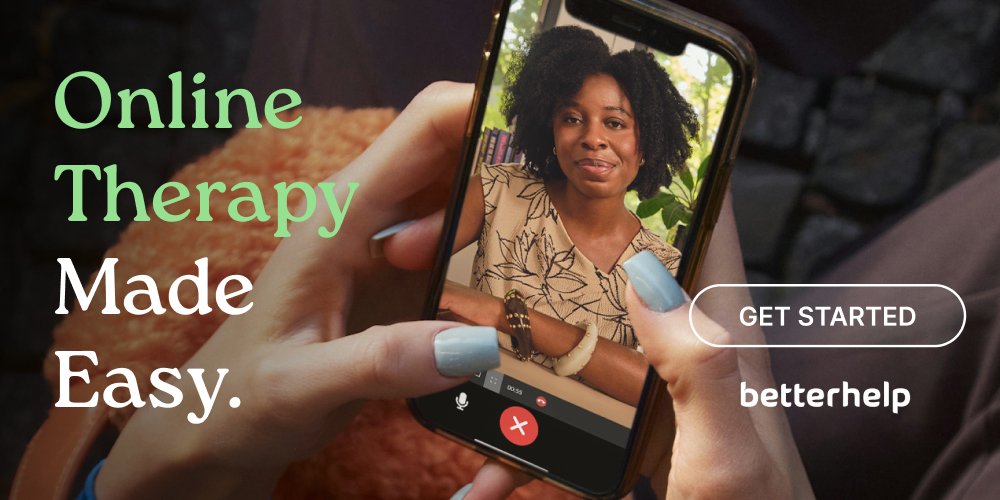
BetterHelp has over 30,000 licensed therapists available by text, phone, or video. No commute. No waiting list. A session from your home, your car, or your lunch break — whenever works for you.
Therapists who understand
Filter by specialty and find someone experienced with exactly what you're going through.
Text, call, or video
You choose how you communicate. Message between sessions too.
Completely confidential
HIPAA compliant. Private and secure, always.
Weekly pricing
Pay weekly, not monthly. Cancel anytime. Financial aid available.

You don't have to figure this out alone
Answer a few questions and BetterHelp will match you with a licensed therapist in under 48 hours.
Talk to Someone TodayYou're not the only one who felt this way
When I started, I was furious all the time and I didn't know why. I thought I was failing because I couldn't balance being a doctor and being Bolivian and being far from my family. My therapist didn't try to fix that—she helped me see those weren't three separate failures. They were one real thing I was grieving. Talking about it didn't make the exams easier, but it made me remember why I came, and it made me less angry at myself for missing home. I still call my mom at odd hours. But now I'm also here.
Questions people ask before starting
The first step is the hardest one
Five minutes to get matched. Licensed therapist. Confidential. 20% off your first month.
Talk to Someone TodayNo commitment · Cancel anytime · Confidential