The loneliness that comes from living between two places
You grew up knowing exactly who you were. Your identity wasn't something you thought about—it lived in the rhythm of your community, in language that felt like breathing, in faces that reflected your own history back to you. Now, that context is gone. People here don't know what it means to come from where you come from. They don't understand the weight of leaving. Even when you're surrounded by people, there's a silence inside that feels completely yours alone.
Distance from family isn't just missing phone calls. It's missing the small moments that kept you rooted. Your grandmother's hands. Your cousin's laugh. The way people in your town just *knew* you. Here, you're starting from scratch—explaining your culture, your values, your grief. And underneath it all is this question that never quite goes away: did I make the right choice leaving? The answer is yes and no and both at once, and nobody around you understands that contradiction.
I have more friends now than I ever did back home, but I've never felt more alone. It's like they're seeing me, but not *seeing me*.
Indigenous identity can make this even more complex. You carry something deeper than just homesickness—a connection to land, to ancestral knowledge, to a way of being that doesn't translate easily into English. You might feel like you're losing parts of yourself just to survive here. And that grief is real. It deserves to be witnessed. Not fixed. Not rushed through. Just held.
Why therapy helps when you're caught between worlds
Loneliness this specific needs space to be understood. A good therapist doesn't ask you to "make more friends" or "get over it." They help you hold both truths at once: that you can be grateful for your new life *and* grieve what you left. They can help you explore what staying connected to your identity actually looks like in your daily life—not as nostalgia, but as a living choice. They understand that your homesickness isn't a personal failing. It's a sign of how deeply you belong to something.
Therapy also helps you build a life here that doesn't erase where you came from. You can work through the specific pain of cultural displacement, the pressure to assimilate, the guilt of creating a life your family might not fully understand. You can examine how your indigenous identity shapes the way you move through the world now, and whether you want to change that or honor it more fully. This work is real. It matters.
Research shows that culturally informed therapy—where your therapist understands immigration, identity displacement, and family separation—significantly reduces symptoms of isolation and depression. Many Bolivian immigrants find that talking through their grief in a space that honors their background, not erases it, changes everything. You don't have to carry this alone.
What actually helps — and how to access it
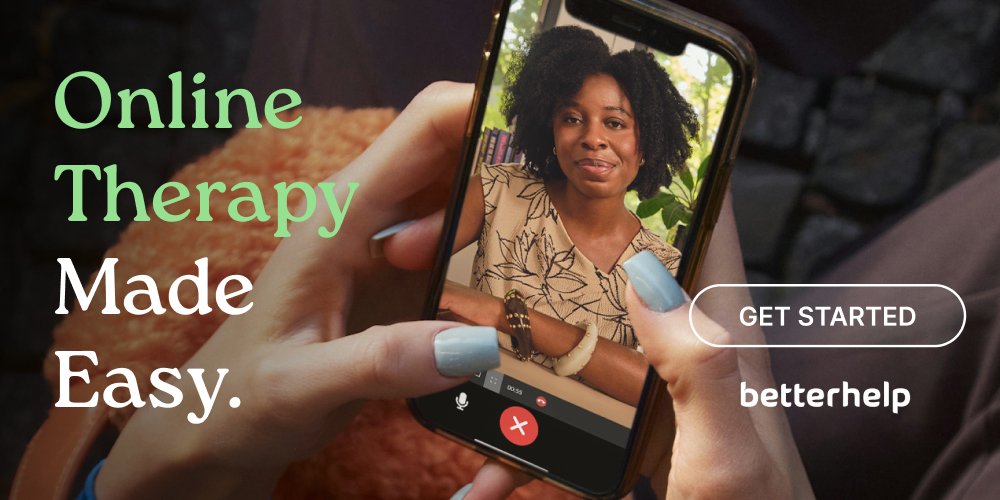
BetterHelp has over 30,000 licensed therapists available by text, phone, or video. No commute. No waiting list. A session from your home, your car, or your lunch break — whenever works for you.
Therapists who understand
Filter by specialty and find someone experienced with exactly what you're going through.
Text, call, or video
You choose how you communicate. Message between sessions too.
Completely confidential
HIPAA compliant. Private and secure, always.
Weekly pricing
Pay weekly, not monthly. Cancel anytime. Financial aid available.

You don't have to figure this out alone
Answer a few questions and BetterHelp will match you with a licensed therapist in under 48 hours.
Talk to Someone TodayYou're not the only one who felt this way
I couldn't explain to my coworkers why I cried on the phone with my mother. They'd say things like 'just visit home' like it was that simple. My therapist was the first person who understood that I wasn't just missing people—I was grieving my identity. We talked about how I could stay connected to being Aymara while building a life here. Not choosing one or the other. Holding both. It sounds simple, but it saved me.
Questions people ask before starting
The first step is the hardest one
Five minutes to get matched. Licensed therapist. Confidential. 20% off your first month.
Talk to Someone TodayNo commitment · Cancel anytime · Confidential