You carry your history and the highway at once
The cab of a truck becomes a small room where past and present collide. You left Bosnia—some of you fleeing war, rebuilding from nothing, proving yourself in a new country. Now you drive alone for weeks, processing memories while managing the present: the distance from family still across the ocean or across states, the weight of responsibility, the quiet hours that force you to think about things you've learned to survive.
Many Bosnian drivers in America describe a specific kind of loneliness. It's not just missing people. It's the gap between who you had to become to survive, and who you want to be now. It's video calls with aging parents on unstable WiFi at truck stops. It's sending money home while feeling invisible here. It's the strength that got you through war, now turning inward as exhaustion.
I survived things I never thought I would. But sitting alone in the truck at 2 a.m., I realized surviving isn't the same as living.
This isn't weakness. This is what happens when resilience meets isolation, when your body finally settles enough to feel what your mind has been holding. The road gives you freedom and takes away connection. That's not a trade-off you should live with alone.
Why this weight doesn't have to stay with you
Therapy isn't about forgetting where you come from or judging the choices that saved your life. It's about having a space—a real conversation with someone trained to understand—where you don't have to explain yourself constantly. Where you can talk about war trauma and homesickness and the pressure to provide and the exhaustion of driving all in the same breath, without shame. Many Bosnian-American drivers find that speaking to a therapist familiar with both refugee experience and isolation creates permission to finally stop driving toward something and start driving toward someone—yourself.
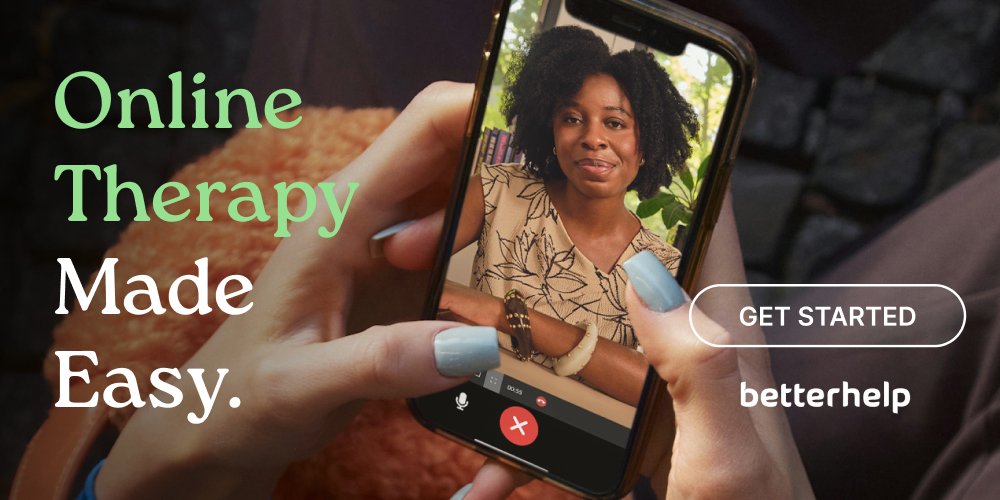
Online therapy works especially well for your schedule. You meet by video from a truck stop, your apartment, anywhere with WiFi. You choose the time. You choose a therapist who gets your background. No waiting rooms. No extra trips. Just a conversation that matters, on your terms, every week.
Therapy helps you process the weight of displacement, family separation, and continuous isolation in ways that resilience alone cannot. You don't need to wait until crisis hits. Many drivers find that even a few months of consistent talk therapy reduces the burden they carry and reconnects them to why they're working so hard.
What actually helps — and how to access it
BetterHelp has over 30,000 licensed therapists available by text, phone, or video. No commute. No waiting list. A session from your home, your car, or your lunch break — whenever works for you.
Therapists who understand
Filter by specialty and find someone experienced with exactly what you're going through.
Text, call, or video
You choose how you communicate. Message between sessions too.
Completely confidential
HIPAA compliant. Private and secure, always.
Weekly pricing
Pay weekly, not monthly. Cancel anytime. Financial aid available.

You don't have to figure this out alone
Answer a few questions and BetterHelp will match you with a licensed therapist in under 48 hours.
Talk to Someone TodayYou're not the only one who felt this way
Dragan drove for eight years before he talked to anyone about the nightmares that started in Bosnia and never stopped—they just got quieter. A therapist who understood his background helped him see the difference between survival strength and unprocessed grief. Within weeks, he was sleeping better. After four months, he called his sister without rehearsing what to say first. 'I realized I was so tired of being strong all the time,' he told me. 'Therapy gave me permission to be human instead.'
Questions people ask before starting
The first step is the hardest one
Five minutes to get matched. Licensed therapist. Confidential. 20% off your first month.
Talk to Someone TodayNo commitment · Cancel anytime · Confidential