The weight nobody sees
You're the one who remembers the doctor's appointments. You notice when someone's quiet at dinner. You've become fluent in reading the room, adjusting your mood, your words, your presence to smooth things over. And somewhere in that endless attention to everyone else, your own needs became background noise—something you'll handle later, if you ever get around to it.
This invisible load doesn't announce itself like depression or anxiety might. It's quieter. It's the chronic tension in your shoulders. The way you wake up already tired. The guilt that hits when you take an hour for yourself. It's loving people deeply while feeling oddly unseen, because the version of you everyone knows is the capable one, the reliable one—never the one who's struggling.
I didn't realize how much space everyone else was taking up in my head until a therapist asked me what I actually wanted. I couldn't answer.
What makes this harder is that carrying others' emotional weight feels like love. Like responsibility. Like who you are. So asking for help can feel selfish, even though it isn't. The truth is, you can't pour from an empty cup—and yours has been running on fumes for longer than you want to admit.
Why this matters, and why therapy actually helps
Therapy isn't about becoming less caring or more selfish. It's about learning where you end and everyone else begins. It's about getting curious with someone trained to listen—truly listen—without needing anything from you in return. A therapist won't ask you to fix their problems. Won't need you to be strong. Won't make you feel guilty for taking up space. That permission, given consistently, changes things.
You'll learn to notice patterns you've been running on autopilot. Why you say yes when you mean no. Why you minimize your own pain. Why self-care feels foreign or impossible. A therapist helps you build language for what you're actually feeling, and tools for honoring your needs without abandoning the people you love. That's not selfish. That's sustainable.
Research shows that therapy significantly reduces the emotional burden women carry by helping them set boundaries, process their own feelings, and develop self-compassion. You're not broken—you've just learned to prioritize everyone else. A therapist helps you rewrite that story.
What actually helps — and how to access it
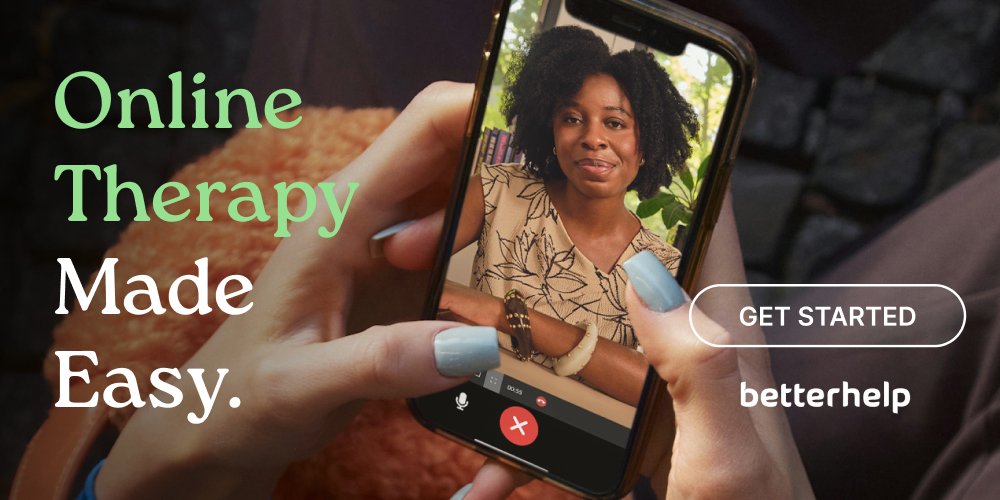
BetterHelp has over 30,000 licensed therapists available by text, phone, or video. No commute. No waiting list. A session from your home, your car, or your lunch break — whenever works for you.
Therapists who understand
Filter by specialty and find someone experienced with exactly what you're going through.
Text, call, or video
You choose how you communicate. Message between sessions too.
Completely confidential
HIPAA compliant. Private and secure, always.
Weekly pricing
Pay weekly, not monthly. Cancel anytime. Financial aid available.

You don't have to figure this out alone
Answer a few questions and BetterHelp will match you with a licensed therapist in under 48 hours.
Talk to Someone TodayYou're not the only one who felt this way
For years I managed my family's schedule, emotions, and expectations while my own stress turned into chronic anxiety I didn't even recognize as mine. When I started therapy, my therapist simply asked 'What do you need?' and I froze. I didn't have an answer. Over months, I learned to listen to myself again. To say no without explaining. To understand that taking care of myself wasn't selfish—it made me a better mom, partner, and friend. I'm still the person people lean on. But now I lean on myself too.
Questions people ask before starting
The first step is the hardest one
Five minutes to get matched. Licensed therapist. Confidential. 20% off your first month.
Talk to Someone TodayNo commitment · Cancel anytime · Confidential