The Trap of Working Alone With Your History
There's a particular kind of loneliness that happens when your office is your bedroom, your kitchen, your sanctuary—and the place where your nervous system keeps replaying old hurt. Remote work promised freedom. But if you carry trauma, those blurred lines between work and home, between productivity and survival mode, can feel suffocating. You're managing triggers without the buffer of human presence. You're healing (or trying to) in the same space where you're grinding through your to-do list.
The isolation isn't just physical. It's psychological. Your coworkers don't see you struggling. Your boss doesn't know you just had a flashback before the 2 p.m. meeting. You've become expert at compartmentalizing, at showing up on camera as fine, as functional. But behind the screen, you might be running on fumes—hypervigilant about your performance, your boundaries, your worth. That takes a toll that nobody else can measure.
I thought working from home would fix everything. Instead, I just stayed alone with all the things I was trying to escape.
The work-from-home setup that should feel protective can actually become a cage. Without the natural rhythm of commuting, being around others, or physical distance between your professional and personal life, old wounds have nowhere to go. They sit with you during lunch. They creep in during meetings. They echo in the silence between Slack messages. And because you're remote, you might tell yourself there's no one to talk to about it—no water cooler conversations, no accidental moments of human connection that used to break up the day.
Why This Matters, and Why Help Actually Works
Carrying unprocessed trauma while working in isolation isn't a weakness. It's a real, physiological challenge. Your nervous system is trying to stay safe in an environment that mirrors the conditions that hurt you before—maybe silence feels like abandonment, or invisible work feels like you don't matter, or flexibility feels like chaos. A skilled therapist understands this connection between your past and your present. They can help you name what's happening, regulate your nervous system, and rebuild boundaries that keep you grounded at home and at work.
Therapy for remote workers isn't about fixing your work setup or your productivity. It's about healing the part of you that's still on high alert. It's about learning why isolation triggers old patterns, how to stay present when your body wants to dissociate, and how to build a sense of safety that doesn't depend on other people being physically there. That shifts everything—your focus, your sleep, your ability to actually enjoy the freedom remote work offers.
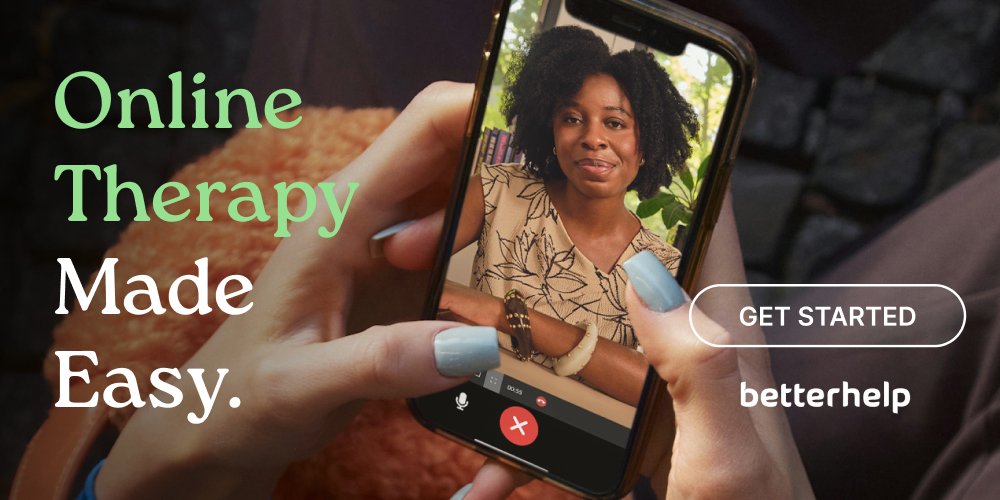
Online therapy is especially powerful for this situation. You can process trauma from the comfort of home with a therapist who specializes in working with remote professionals. Many remote workers find that knowing they can step away from their desk and into a therapy session—still at home—makes consistency easier. You're taking back control of the space that's been holding you.
What actually helps — and how to access it
BetterHelp has over 30,000 licensed therapists available by text, phone, or video. No commute. No waiting list. A session from your home, your car, or your lunch break — whenever works for you.
Therapists who understand
Filter by specialty and find someone experienced with exactly what you're going through.
Text, call, or video
You choose how you communicate. Message between sessions too.
Completely confidential
HIPAA compliant. Private and secure, always.
Weekly pricing
Pay weekly, not monthly. Cancel anytime. Financial aid available.

You don't have to figure this out alone
Answer a few questions and BetterHelp will match you with a licensed therapist in under 48 hours.
Talk to Someone TodayYou're not the only one who felt this way
For three years, I worked from my apartment and white-knuckled through every day. Old abandonment trauma made the silence feel dangerous. I'd panic before meetings, convinced I was failing. I didn't think therapy would help from home—felt too vulnerable. But my therapist helped me see that the space I feared was the same space I could reclaim. We worked on grounding techniques I could use between meetings, talked through why isolation triggered my specific wounds. Six months in, I stopped dreading my own apartment. That changed everything.
Questions people ask before starting
The first step is the hardest one
Five minutes to get matched. Licensed therapist. Confidential. 20% off your first month.
Talk to Someone TodayNo commitment · Cancel anytime · Confidential